

Most people think modern interior design is about choosing the right shade of blue for the bedroom wall or finding a sofa that matches the curtains. It’s easy to believe that design ends where decoration begins with throw pillows, accent pieces, and artfully arranged shelves.
But here’s what gets missed: what interior design is at its core isn’t about how a room photographs. It’s about how seamlessly your day unfolds within it. It’s the reason you don’t bump into furniture on your way to the kitchen at dawn, why natural light reaches your work desk without glare, and how clutter never seems to pile up in certain homes while others feel perpetually overwhelmed.
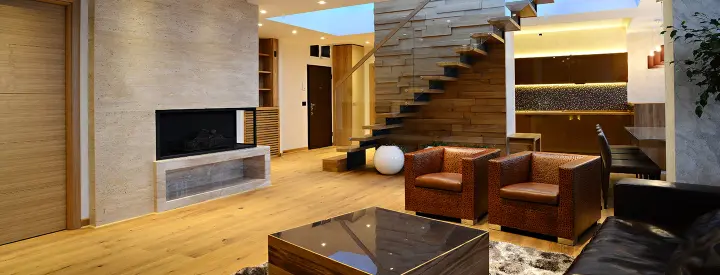
Modern interior design is a series of invisible decisions about circulation, storage logic, material behaviour, light control, and spatial proportions that quietly determine whether a home supports your life or constantly interrupts it.
When someone asks what the work of an interior designer is, the answer rarely begins with colour palettes or furniture catalogues. It begins with everyday questions: How do you move through your mornings? Where does clutter collect? When does the house feel most chaotic, and why?
A well-designed home isn’t the result of good taste alone. It’s the product of dozens of modern interior design decisions made early, whether that’s about where the walls stop, how doors swing, which spaces connect, and how light travels from room to room. These choices set the rhythm of daily life long before the first piece of furniture arrives.
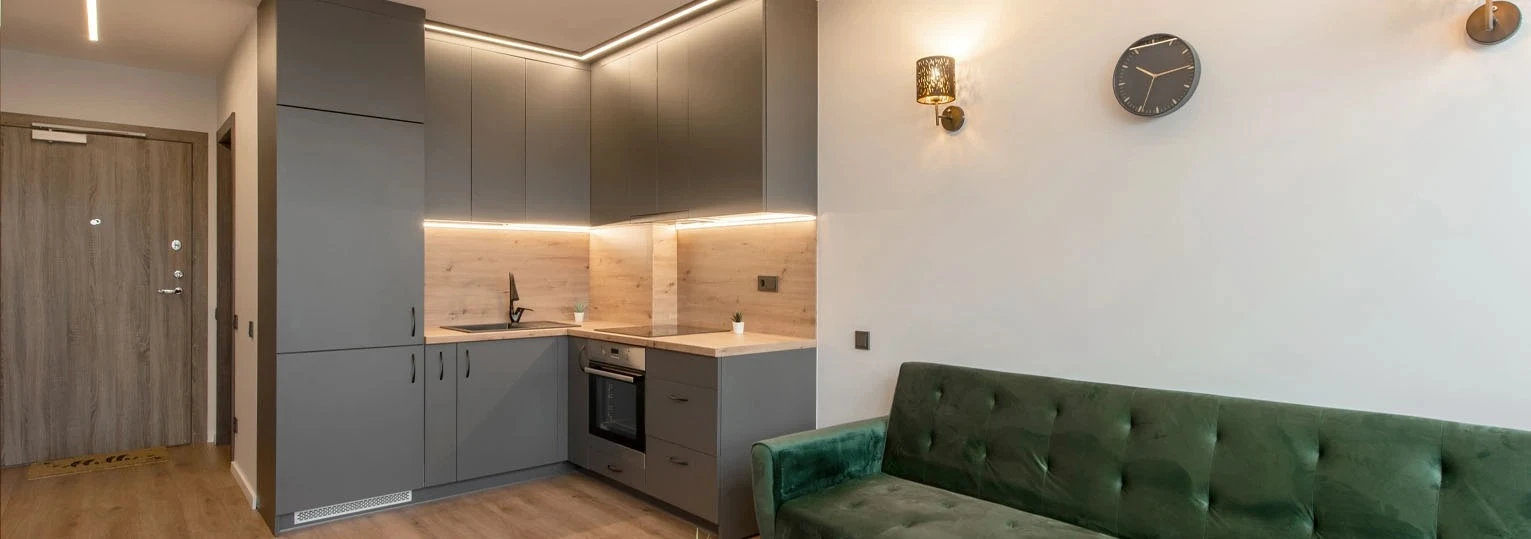
Consider a typical Mumbai apartment where the passage between the kitchen and living room is cluttered with storage and just wide enough for one person. Choosing the wrong spot for building storage units isn’t a decorative choice – it is a planning oversight. Now, every time someone carries groceries while another person heads to the balcony, there’s a brief, awkward shuffle. Multiply that by 300 days a year, and you begin to understand the importance of interior design that prioritises movement, not just aesthetics.
The importance of interior design becomes clearest when you trace a single day through a home. From the moment you wake up to the last light switched off at night, design decisions are either easing your routine or quietly complicating it.
A well-planned bedroom is more than just about looking restful. It accounts for where you place your phone at night, how easily you access your wardrobe without waking a partner, and whether morning light enters gently or floods the room all at once. Space planning in interior design ensures these small actions feel intuitive, not frustrating.
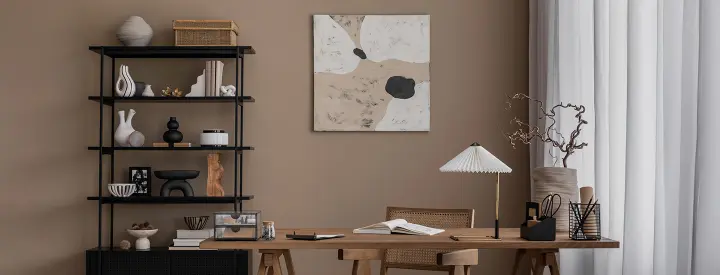
In a Bangalore home where hybrid work is the norm, a study corner is an essential part of daily life. Thoughtful modern interior design creates acoustic separation, task lighting, and enough surface area for both focused work and quick video calls.
Modern interior design doesn’t announce itself. The best design work often goes unnoticed because it simply feels right. After all, the goal is to create homes where everything works so smoothly that you stop thinking about the space and start living in it.
Here’s what makes that possible:
Beyond brightening your day, adequate natural light sets the mood, energy, and focus within your household. A well-designed home in Mumbai considers how sunlight moves throughout the day, whether cross-ventilation is possible, and how artificial lighting layers in after sunset. This is central to understanding what the work of interior designers is: designing for how light affects daily comfort, not just visibility.
In humid climates, some materials warp, while others remain stable. Engineered wood, easy-to-clean surfaces, and moisture-resistant finishes are practical choices that ensure a home stays comfortable years after it’s built. This is part of the broader interior design guide to making decisions that last.
The homes that work best aren’t designed around trends or magazine spreads. They have modern interior design built around the people who live in them, their routines, stress points, and the small rituals that make everyday life feel manageable.
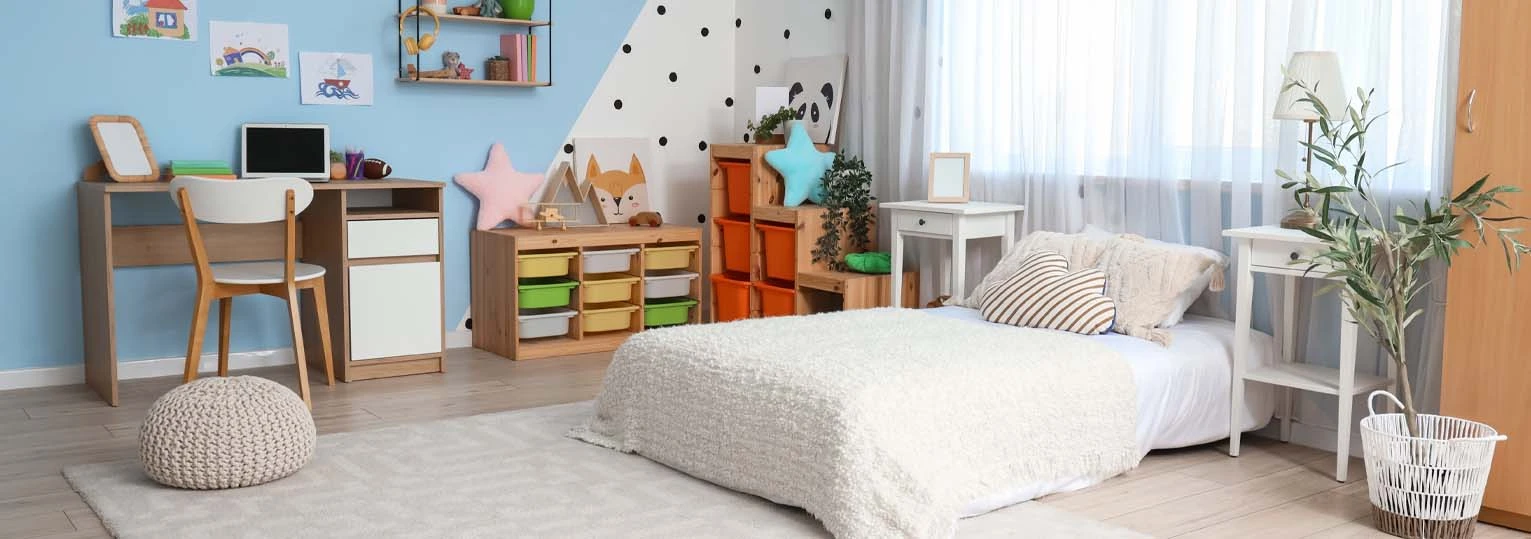
At Bonito Designs, this is where our LifeDesign approach begins. We don’t start by asking what style you like. We ask how you actually live. Do you cook every day or order in? Does your child need a dedicated study zone or just a quiet corner?
While these may sound like abstract questions at first, they’re the foundation of space planning in interior design that makes sense. With in-house execution and ISO-certified quality processes, we design a home that supports your daily life. Storage placed where you naturally drop things. Work zones separated from high-traffic areas.
This is what modern interior design is when it’s done right: a cohesive system built around how you move, work, rest, and connect with family.
If you’re beginning your interior design journey, the most important thing to understand is this: modern interior design isn’t about trends, catalogues, or inspiration boards.
At Bonito Designs, we start by listening to how you live, what frustrates you, and what home truly means to you. From there, we design spaces that feel personal, functional, and unmistakably yours.
If you’re ready to explore what your home could become, book a consultation with Bonito Designs. Let’s design a space that finally feels like it was made for the way you actually live.